
French Antique Glass Vases
Antique glass vases occupy a particular place in a room, where the clarity or colour of the glass itself becomes the primary visual element, independent of what flowers or branches might be placed within them.
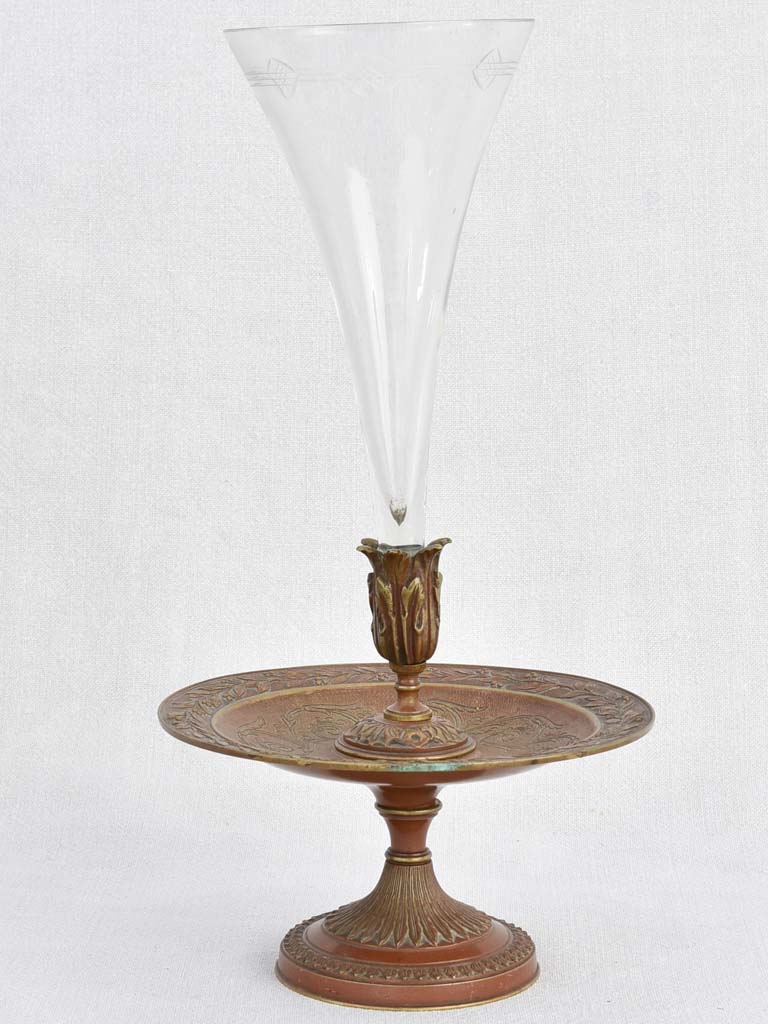
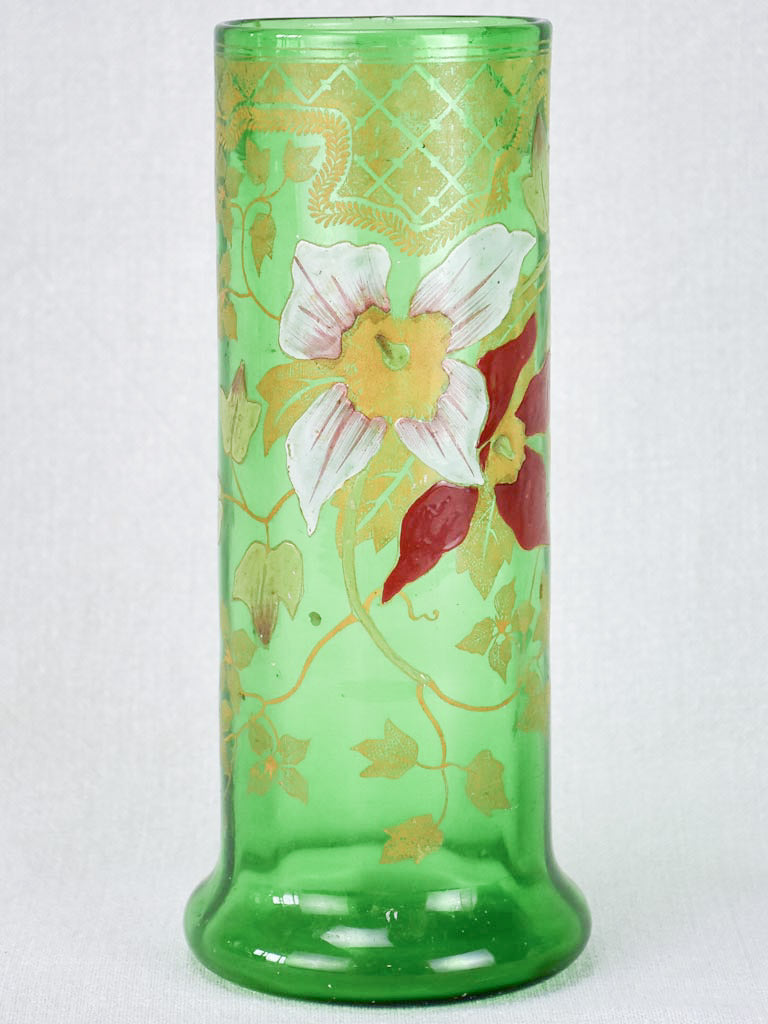
French and European glassmakers developed distinct traditions across the 19th and 20th centuries, each rooted in different technical approaches and aesthetic priorities. Baccarat opaline brought decorative colour to glass through chemistry rather than surface decoration, producing vessels where the material itself was the ornament. Art Nouveau workshops such as Daum Nancy pursued organic form and iridescent surface, where the glass was modelled and manipulated to suggest natural movement and light. Lalique refined the technique of carved and frosted crystal, creating vessels where the design was integral to the glass rather than applied to it. Murano glassmakers introduced sculptural ambition to the form itself, while enamelled vases allowed for painted decoration that sat on the surface with brilliant colour and precision. What connects these approaches is a shared conviction that glass, made well, rewards attention in itself.
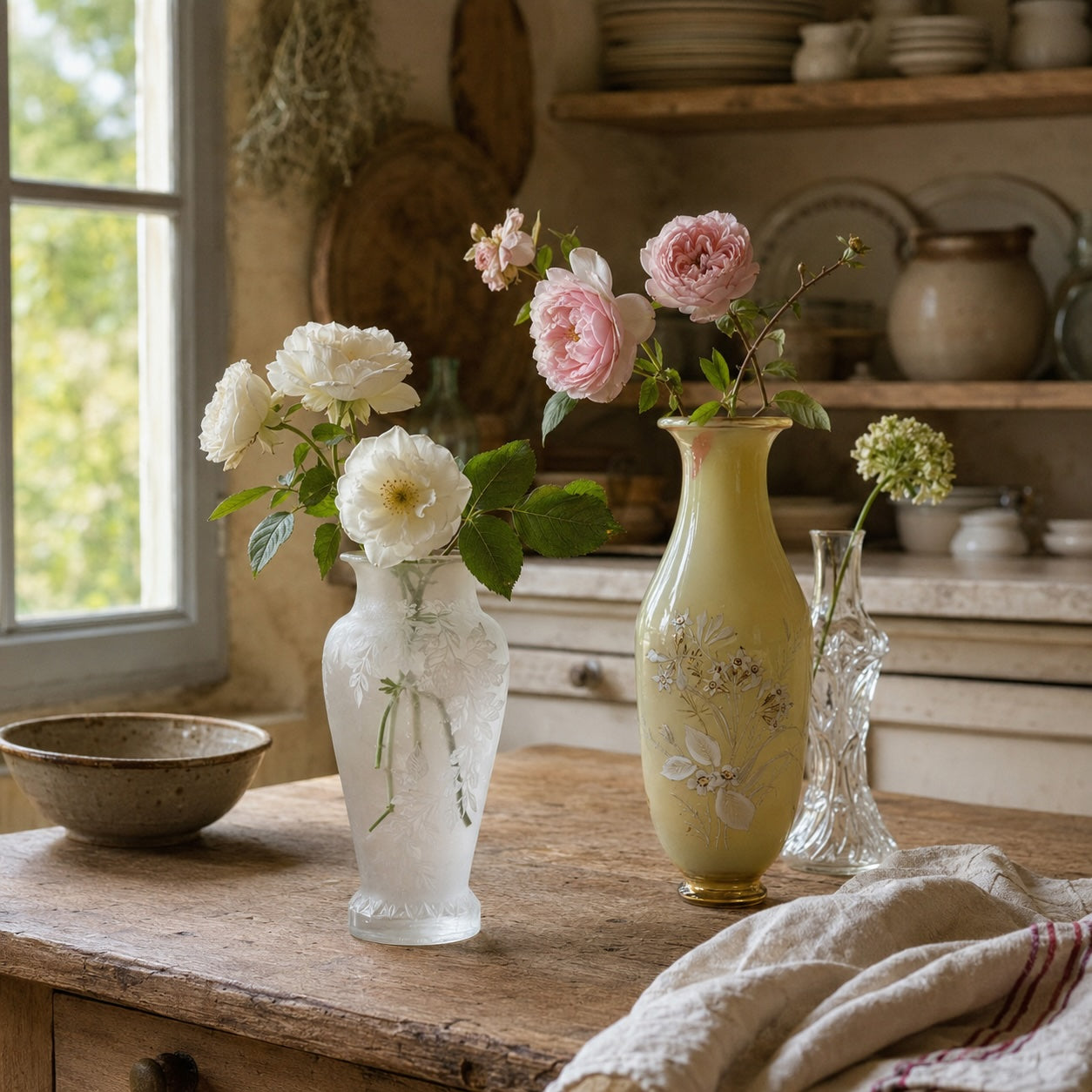
These vases work on a console table, a mantelpiece, or displayed on open shelving, where light can pass through or reflect off the surface. They are equally effective with or without flowers, and many collectors prefer them empty, where the form and colour are unobstructed.
Each piece is carefully measured, clearly documented, and professionally photographed, with condition noted. Stock availability is maintained in real time. All glassware ships directly from France and is packed using methods developed for transporting fragile antique glass.
A truly beautiful vase needs no arrangement to justify its presence in a room.
ALL USA IMPORT DUTIES & TARIFFS INCLUDED IN PRICES
FREE SHIPPING TO USA, CANADA AND EUROPE
PROFESSIONALLY PACKAGED BY OUR TEAM IN PROVENCE